

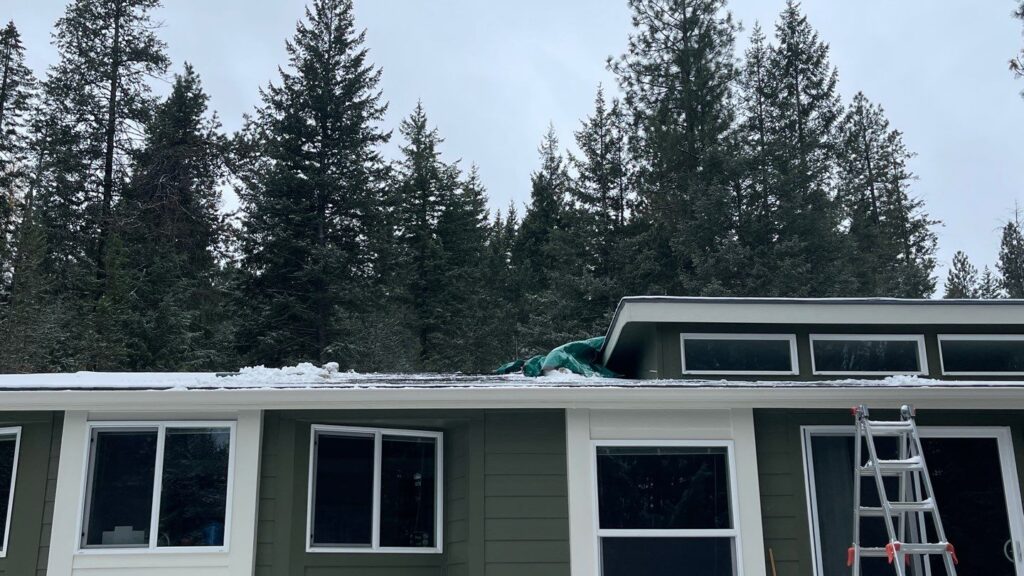
Generally, it is recommended to have your roof work done in dry, warm weather. But many are concerned whether roof repairs can be done in the cold months when necessary. It is safe to say that the winter shouldn’t get in the way of roof replacement, but there are several major factors to consider.
How do you repair a roof in the winter?
If the construction of the house was delayed until the weather change, a homeowner would have to decide whether it is still possible to build a roof in winter. You can safely say that most roofs can be built in winter months if you follow specific rules that apply to air temperature, humidity, and precipitation. When a customer asks if it is possible to cover the roof in winter when it snows, the answer is obvious – you need to wait until the snowfall stops. It is also advisable to stop work when the temperature drops below 25 °F. In such cold, most mastics and flexible materials freeze, and become impossible to work with.
The temperature regime and the work depends on the material that is selected for the roof. For example, composite tiles can be mounted at temperatures from 14 to 95 °F and metal tiles from -22 to + 120 °F. Thus, roofing work can be carried out in the winter, but you should take into account what materials are going to be used.
How to fix a leaking roof in the winter? Major points and simple rules.
Roofing work in winter must be carried out with mandatory compliance with safety regulations. The materials should be stored in a warm, dry place. Otherwise, you will run into problems such as the deployment of a roll of frozen waterproofing which you may find impossible. Also, remember that working hours are much shorter due to less daylight.
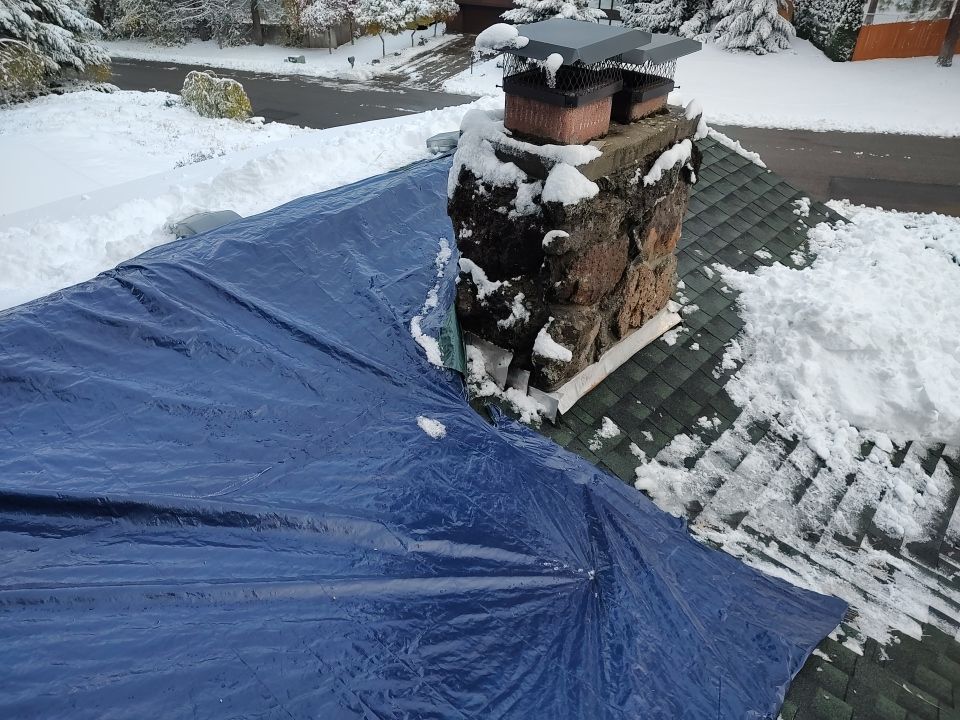
How to choose the suitable roof material for winter installation?
The right choice of roofing materials will help you decide whether you want to start your roofing job in the winter months. For example, a soft roof can be installed at a temperature not lower than 23 °F.
At lower temperatures, bitumen shingles or roofing material become brittle, and mastic does not spread correctly. Thus, a flat roof is usually not suitable for a winter installation. But other materials are frost-resistant and can successfully close the roof in the cold. For example, metal tiles are produced as sheets, so the roof construction in winter won’t be complicated.
There is also a ceramic coating. It is built from reasonably small elements, allowing to do roofing even in strong winds when installing large sheets, such as corrugated board, is difficult.
Thus, the expert answer to the question: if it is possible to make a roof in winter as affirmative, but it is necessary to choose the suitable coating material.
Can a soft roof be made in winter?
It is not easy, but still possible. To complete this job, you need to follow these recommendations:
First, you should mount a soft roof from the material stored in the heated room. Bitumen shingles and mastic should be kept indoors too. Secondly, you will have to use a heat gun or an industrial dryer to glue bitumen elements. It is vital to remember that improper and careless use of these devices can cause a fire. It is better to contact specialists to mount a soft coating in winter. Experienced roofers are able to complete this task, but the labor cost could be much higher than in the summer. There are several construction stages of the roof in the winter months. You can also choose from a selection of popular coverage materials.
- Construction of a truss system. Everyone knows that trees tolerate frost well. Moreover, tree trunk becomes less moist, and harmful bacteria that cause rotting disappears in frosty conditions.
- Installation of flexible roof tiles. Work is carried out in dry weather. The material is delivered to the roof from a warm warehouse in limited amounts to avoid freezing of the materials. Mastic and the tile elements should be heated by an industrial dryer.
- Installation of metal tiles. This material isn’t affected by frost or rain. Although, in a strong wind, it is challenging to hold the materials because of their large surface.
- Installation of cement-sand and clay tiles. This material can withstand extreme temperatures, and the significant weight of parts does not allow the wind to blow them away, so they can be installed in frosty and windy weather.
- Common defects. Roof damage can be caused by incompetence of builders, improper installation, and poor-quality material.
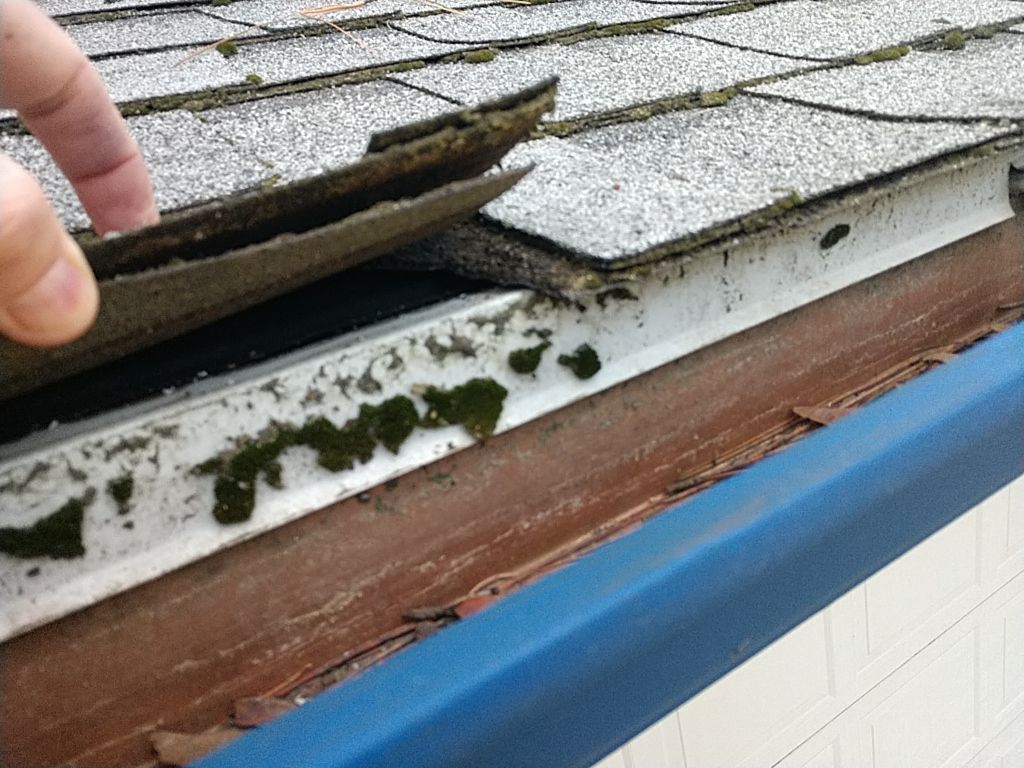
The seam roof can be mounted only by a professional roofer, since the connecting seam of metal strips is created in a certain way. Wrongly curved edges and seams quickly diverge and let water through. Occasionally, sheets of poorly bonded seam roofs are carried away by a strong wind.
Another common mistake is an incorrect calculation of the maximum load on the roof. When designing a roof, not only the weight of the roofing materials, but the weight of snow and ice on the roof should also be considered. Occasionally, a roof can break under the weight of snow.
It is imperative to monitor the roof’s condition for debris, vegetation, delamination of materials, and loosening of fasteners. Any microcrack leads to water leakage. In frosty weather, water freezes and destroys fasteners and elements of the entire structure. Therefore, lack of roof maintenance can lead to considerable damage during the first year of operation.
In winter, it is recommended to clear the roof of snow to remove the excess load on the rafters. Roof cleaning is essential for flat roofs, as snow and moisture cannot run off a sloped roof and accumulate there all winter. If the flat roof can support the extra weight, the bituminous coating or the concrete base of the roof gets damaged.
Any roof issues?
Our experts can provide a free consultation and advice on the best solution
Call us at